Lone Worker Devices for UK Workforces
Lone Worker Safety Devices
Why Choose a Dedicated Lone Worker Device?
Different roles expose employees to different risks. A dedicated lone worker device gives employees an accessible way to call for help without relying solely on their mobile phones.
From discreet devices for public-facing roles to robust and specialist technology for remote or hazardous environments, Peoplesafe helps organisations choose protection based on each employee’s role, risks and working conditions.
Simple Access to Help in an Emergency
When someone works without colleagues nearby, getting support quickly can be critical.
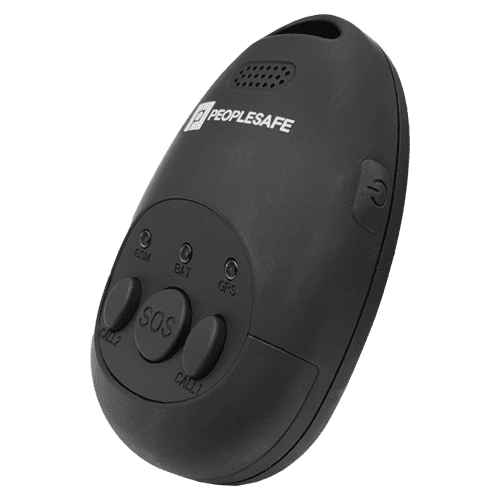
Peoplesafe lone worker devices give employees a dedicated SOS button they can use if they feel unsafe, threatened, unwell or need urgent assistance.
When an alarm is raised, it is received by the Peoplesafe Alarm Receiving Centre, where trained Controllers assess the situation and follow the employee’s agreed escalation plan.
Depending on the circumstances, this may involve contacting a manager or nominated escalation contact, or requesting emergency assistance.
Explore Our Alarm Receiving Centre
Protection Built Around the Risks Your People Face
The right lone worker safety device should be practical and easy to use throughout the working day.
Peoplesafe devices offer different capabilities depending on the model and risk profile, including location technology, two-way communication, fall detection, activity logging and reliable connectivity.
Some employees need discreet protection when meeting members of the public. Others may need a durable device for outdoor work, or technology that keeps them connected beyond normal mobile coverage.
Organisations can therefore choose the right level of protection for different teams rather than relying on a one-size-fits-all approach.
Explore Lone Worker Protection
Specialist Lone Worker Devices
Some working environments require more than standard mobile connectivity or everyday safety technology. Peoplesafe provides specialist lone worker devices for employees working in remote locations and hazardous environments.
Satellite Communication Devices
Lone workers operating in rural and remote locations cannot always rely on mobile coverage.
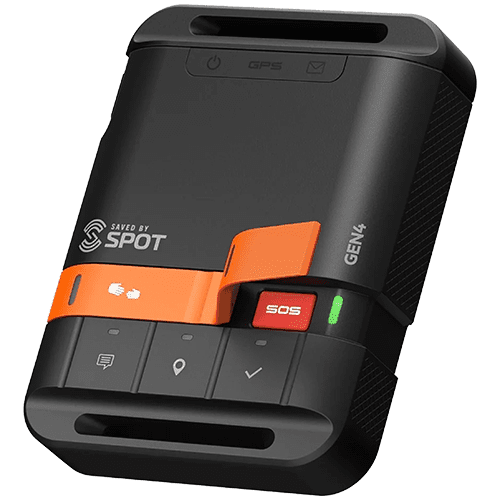
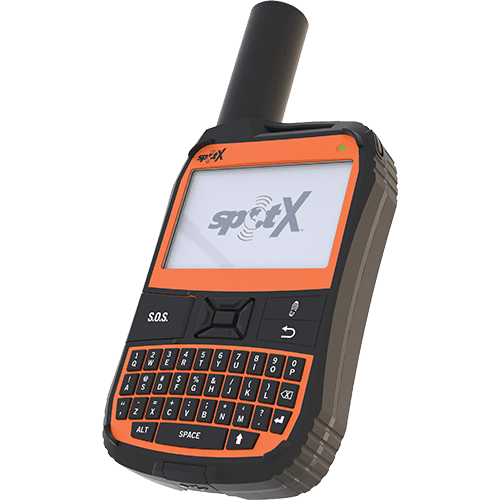
Satellite-enabled devices such as SPOT Gen4 and SPOT X provide an alternative for employees working beyond reliable cellular networks, helping them stay connected in locations where a standard mobile signal may be limited or unavailable.
They are suitable for environmental officers, field engineers, forestry workers, park rangers and other employees working in isolated areas.
SPOT Gen4 enables employees to raise an SOS, request assistance and log their activity using satellite connectivity.
SPOT X also provides two-way satellite messaging, helping employees maintain communication while working remotely.
SPOT Gen4
Intrinsically Safe Lone Worker Devices
Employees working in hazardous areas need technology designed for the conditions around them.
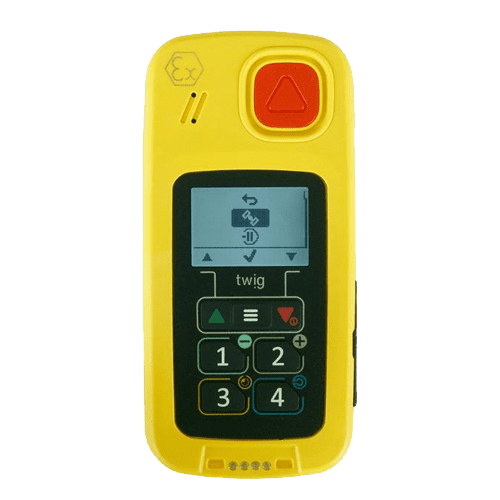
Twig Ex is an intrinsically safe lone worker device approved for use in ATEX and IECEx environments. It is designed for employees working around potentially explosive atmospheres and other demanding industrial conditions.
Twig Ex also provides two-way audio, GPS location and fall detection.
Its robust design makes it suitable for sectors including utilities, manufacturing, petrochemicals, engineering, maintenance and construction.
Explore Twig Ex
Lone Worker Devices or a Smartphone App?
Dedicated devices and smartphone apps can both provide effective lone worker protection. The right option depends on how and where your employees work.
A dedicated device may be more appropriate when employees need a physical SOS button, greater durability, specialised connectivity, or a solution used solely for safety.
For other workers, the Peoplesafe Pro App can provide protection through a smartphone they already carry.
Many organisations use a combination of devices and apps across their workforce, matching each solution to the employee’s role and risk profile.
Lone Worker Device FAQs
What is a lone worker safety device?
A lone worker device is dedicated safety technology designed to help employees who work without close or direct supervision access support when needed. Depending on the device, features can include an SOS button, location technology, two-way communication, fall detection and activity logging.
What does a lone worker device do?
A lone worker device allows employees to raise an SOS alarm if they feel unsafe, threatened, unwell or need urgent assistance. When used with Peoplesafe’s professionally monitored service, the alarm is sent to our Alarm Receiving Centre, where trained Controllers assess the situation and follow the employee’s agreed escalation plan.
How do Peoplesafe lone worker devices work?
When an employee activates their device, the alert is received by the Peoplesafe Alarm Receiving Centre. Controllers assess the situation and follow the employee’s agreed escalation plan. Depending on what has happened, this may involve contacting nominated escalation contacts or requesting emergency assistance.
What features should a lone worker safety device have?
The right features depend on the employee’s working environment and risk profile. These can include a dedicated SOS button, two-way audio, accurate location information, fall detection, activity logging and reliable connectivity. Specialist roles may also require satellite communication or an ATEX-approved device.
Do lone worker devices need a mobile signal?
Many lone worker devices use mobile networks to communicate and therefore require access to network coverage. Peoplesafe also offers satellite devices, including SPOT Gen4 and SPOT X, for employees who regularly work in remote areas where conventional mobile coverage may be unreliable or unavailable.
Can a lone worker device detect a fall?
Compatible lone worker devices can include fall detection. If the device detects a fall that meets the configured criteria, an alarm can be raised automatically. This means an alarm can still be raised if the employee is injured or unable to press the SOS button.
Do lone worker devices track employees?
Location information is used to support employee safety and emergency response. When an alarm is raised, location data can help the Alarm Receiving Centre identify where the employee is so that appropriate assistance can be directed to them. Additional tracking functionality depends on the device, service and settings selected by the organisation.
Which lone worker device is best?
There is no single device that is suitable for every lone worker. The right option depends on the employee’s role, working environment, level of risk, mobile coverage, need for discretion, durability requirements and whether specialist capabilities such as satellite communication or ATEX approval are required.
Peoplesafe can assess these requirements and recommend a suitable solution for different employees and teams.
What is the difference between a lone worker device and a lone worker app?
A lone worker device is dedicated physical hardware designed for employee safety. A lone worker app provides safety functionality through a smartphone.
Dedicated devices can be useful where employees need a physical SOS button, robust construction, longer battery life or specialist capabilities. Apps suit employees who prefer to use a smartphone they already carry. Organisations can also use a combination of both.
Is Peoplesafe’s lone worker service accredited to BS 8484:2022?
Yes. Peoplesafe’s lone worker service is accredited against BS 8484:2022, the British Standard for the provision of lone worker devices and services. The accreditation helps ensure our lone worker service meets recognised industry standards.
Find the Right Lone Worker Device for Your Team
Give your employees access to professional support wherever they work.